Heavy Equipment Operators Are Turning to CNC Machining Services in Alberta for Bore and Shaft Repairs
Key Takeaways
- Worn bores and shafts can throw off pin fit, alignment, and day-to-day machine performance long before a full breakdown.
- Repairing the worn area is often a practical move when the main component still has solid life left in it.
- A capable shop can support bore restoration, shaft machining, custom bushings, and related repair work under one roof.
- Local support in Drayton Valley matters when your crew is waiting on iron that needs to get back to work.
If you run heavy equipment in Alberta, you already know how wear creeps in without warning. A machine that felt solid last month starts showing play at the pins, and within a few shifts the looseness is obvious to everyone on site. That growing slop is one reason more operators are turning to CNC machining services in Alberta for bore and shaft repairs rather than waiting for something bigger to let go.
This is not about chasing high-end shop work for the sake of it. It is about keeping your iron in service, restoring fit where wear has opened things up, and catching damage before it migrates into surrounding parts. For operators, fleet owners, and maintenance crews, the goal stays the same: get the machine back to dependable, working condition with repairs that match the job, the part, and the punishment it takes every day.
Bore and Shaft Wear Spreads Across a Machine
Bore and shaft wear rarely stay contained to one spot. Once a bore goes out of round or a shaft surface starts to break down, the load shifts away from where it belongs. Pins begin moving more than they should. Bushings lose their fit. Mounting points start absorbing stress from angles they were never designed to handle, and the problem quietly spreads from there.
The early signs usually show up in the field long before anyone puts a gauge on the part. The bucket rocks a little more than it used to. A linkage clunks when you ease into the controls. You pump grease into the joint, and it disappears fast, yet the slop is still there the next morning. By the time you can see shiny wear marks around the bore opening or scoring along the shaft surface, the window for a straightforward repair has already been shrinking for a while.
None of that is cosmetic. On excavators, loaders, dozers, and similar machines, worn bores and damaged shafts change how the machine carries force through every cycle. The stress does not disappear because the pin has room to move. It just lands somewhere else, usually on a bushing, a weld, or a surrounding piece of steel that was not meant to take it. Run it long enough and what started as a single worn bore turns into a longer parts list and a bigger bill.
Catching it early gives you options. The earlier you bring the machine in, the more likely the repair stays focused on the area that actually wore out, rather than spreading into everything around it.
More Operators Are Repairing Instead of Replacing
Tearing down a machine to wait for a full replacement part looks easy on paper until you see the shipping quote and the six-week lead time. Most of the time, the heavy cast iron or structural steel is perfectly fine, and only the exact friction point has worn out. Because of this, operators are pointing their service trucks toward CNC machining services in Alberta to deal with sloppy bores and heavily grooved shafts.
Machining a worn section back to factory specs means you are not throwing away a major component that originally cost thousands of dollars. If a bore is your main headache, a shop can restore that opening so the new pins, bushings, and bearings seat tight. If the problem is a shaft, a machinist can either resurface the damaged section or turn down a brand new piece that drops right into your existing housing.
A capable shop will match the metal to the job by machining carbon steel, stainless steel, aluminum, or specialty alloys depending on what the repair demands. Getting the exact part you need machined from the right piece of metal keeps the maintenance schedule in your own hands, rather than leaving your crew waiting on a crate to arrive from an overseas warehouse.
What a Solid Bore and Shaft Repair Looks Like
Good repair work starts with measurement, not assumptions. When a bore is worn or damaged, the first step is checking how far the wear has gone using proper measuring tools. At Big West Machine & Welding, that process involves dial bore gauges, micrometers, digital readouts, and an automated feed system as part of their in-house line-boring work. Bore repair comes down to fit and alignment, not just filling space with metal.
Some worn surfaces need build-up before final machining can happen. A bore that has worn past its serviceable size may need weld material added before it can be machined back to spec. Larger openings sometimes call for a combined approach where welding and machining work together in stages. Custom bushings may round out the repair when the original fit has opened up too far.
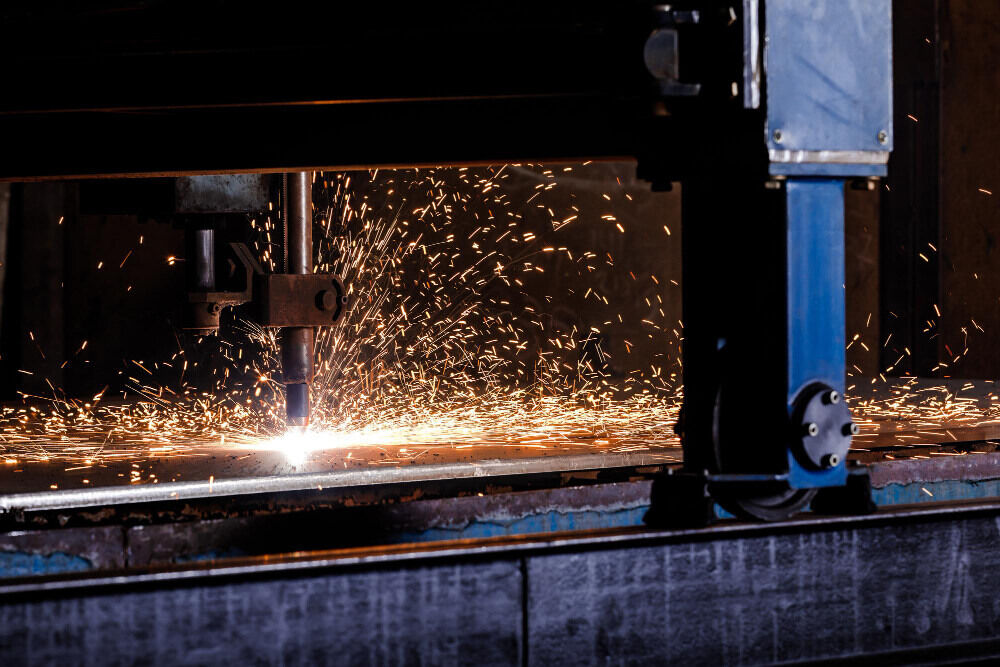
Shaft work leans heavily on the shop’s CNC capability. Big West runs a 4-axis CNC lathe with live tooling and a sub spindle, which means complex parts like shafts, couplings, and custom fittings can be completed in a single setup without moving the workpiece between machines. That setup earns its keep when the part is not something you can pull from a catalogue and the dimensions have to match what your machine actually calls for.
This is where CNC machining services in Alberta go beyond basic cutting and turning. Pairing CAD/CAM-driven machining with hands-on repair knowledge means you are not just getting a part produced to a drawing. You are getting a part or repaired surface shaped around real-world fit, the right material for the application, and the kind of loading heavy equipment puts on every joint and bearing surface.
When a machine is down, you are not looking for a shop that only knows clean, repeat production work. You want people who understand repair conditions, heavy steel, and the reality that worn bores and shafts usually show up on equipment that still has a job to do.
That is one reason local support matters. We operate from Drayton Valley and offer CNC machining, in-house line-boring, heavy equipment repairs, welding, fabrication, and 24/7 on-call service. For an Alberta operator, that combination matters more than a polished sales pitch. It means the same shop can look at the worn area, understand how it fits into the larger repair, and handle related work without sending you in three different directions.
It also helps when the shop already works with industries common across Alberta, including oil and gas, agriculture, manufacturing, and heavy equipment repair. A shaft on a working machine is not just a dimension on a print. It is part of a piece of equipment your crew is waiting on, often with a service truck nearby, a half-finished job, and weather that is not getting any friendlier.
| Wear Area | What You May Notice on Site | Repair Approach Often Used |
| Bucket or linkage bore | Clunking, loose pin fit, uneven movement | Measurement, weld build-up if needed, line-boring, bushing fit check |
| Shaft surface | Scoring, looseness, poor fit with mating part | CNC machining of a replacement or remachined shaft |
| Pin mounting hole | Out-of-round wear, side play, hard-to-hold alignment | Bore restoration to proper size and alignment |
| Coupling or custom fitting | Vibration, mismatch, poor engagement | CNC machining of a matched replacement part |
| Large worn opening in heavy steel | Visible wear, movement under load | Combined welding and machining to restore serviceable fit |
When your machine starts talking to you through loose pins, worn bores, or a shaft that no longer fits the way it should, it pays to listen early. Bore and shaft repair is not about making old equipment look tidy. It is about restoring working fit where it counts, so your machine can return to the job with less play, better alignment, and fewer headaches for your crew.
For operators and maintenance teams dealing with wear on real working equipment, CNC machining services in Alberta have become a practical answer because they support the kind of repair work heavy equipment actually needs. In a province where uptime matters and the work does not pause for long, that makes a real difference.