Why Hydraulic Leaks on the Road Often Lead to Hydraulic Cylinder Repair in Alberta
Key Takeaways
- A roadside hydraulic leak usually signals internal wear, seal damage, or component misalignment, not just a messy hose problem.
- Continuing to operate with a leak can cause pressure loss, unsafe trailer behaviour, and expensive cylinder scoring.
- Many breakdowns happen when operators top up fluid but ignore the root cause, which accelerates damage.
- Fast repairs and proper testing reduce downtime and help fleets stay inspection-ready and reliable.
Hydraulic leaks on the road are one of those irritating nuisances that quickly snowball into an inconvenient loss of day or delayed load, or an unsafe unit unable to operate safely. Fleet operators travelling Alberta’s industrial and rural routes face real safety concerns from hydraulic failures – not to mention potential revenue losses as they result from them.
In many cases, a leak that begins as “just a drip” ends up requiring hydraulic cylinder repair in Alberta because the cylinder itself is the source of the failure, or it becomes damaged after the leak starts. Knowing what’s happening inside the system helps you make faster decisions, reduce downtime, and prevent repeat breakdowns.
What a Roadside Hydraulic Leak Really Means
Hydraulic systems are built to handle heavy work. When fluid starts escaping, it typically indicates that something has failed under pressure.
A road leak often points to one of these realities:
- A seal has worn past its service life
- A rod or barrel has been damaged or scored
- A fitting is loose due to vibration or movement
- A hose has cracked from age, abrasion, or cold conditions
- A mount point is shifting and pulling components out of alignment
For trucking and trailer applications, leaks show up where the equipment is under constant load cycles, dump bodies, trailers, service rigs, and systems where hydraulics are part of everyday operation.
Hydraulic cylinder repair Alberta pros in Drayton Valley! Fast turnaround, heavy-duty results, don’t risk downtime. Call (780) 514–3380 now!!
The Most Common Places Hydraulic Leaks Start
Not all leaks mean the same thing. Identifying where the fluid is coming from is the fastest way to narrow down the risk level.
1) Rod seal leaks (cylinder head area)
If fluid is collecting near the gland or running down the rod, the rod seal could be failing. This is a major red flag because it may indicate internal wear or contamination.
2) Hose and fitting leaks
These are common on units that see high vibration and rough roads. A cracked hose or a loose fitting may be visible quickly, but it can still be dangerous if it leads to sudden pressure loss.
3) Cylinder barrel leaks
Leaks around the barrel may indicate a crack, damage, or severe internal pressure issues. These problems rarely stay minor.
4) Valve and manifold leaks
Sometimes the leak isn’t at the cylinder at all, it’s coming from a valve block, connection point, or control system. These are easy to misdiagnose if you’re only looking at the wettest area.
Even a small leak can become bigger quickly because the system continues cycling under load, pushing more fluid out with every operation.
Why “Topping Up Fluid” Doesn’t Solve the Root Problem
A lot of leaks start the same way. Someone notices the fluid’s low, tops it off, and moves on with the job. Look, sometimes you don’t have a choice in the moment. I get it. But let’s be clear. Adding fluid isn’t fixing anything.
When you keep topping up hydraulic fluid without figuring out where it’s going, you’re setting yourself up for bigger problems. The system loses pressure and starts performing weakly. Air gets in, cavitation starts happening, and before you know it, the whole thing’s running hot because it’s working harder than it should. That heat breaks down seals faster, wears out pumps, and puts stress on every moving part in there.
And here’s the thing. Once that fluid level drops, the system doesn’t just run a little worse. It gets jerky. Movements become unpredictable. Everything’s under more stress, especially the cylinders. For fleet managers, that’s a nightmare. A truck that seems fine for now could be one cycle away from a full breakdown. You’re not just risking downtime. You’re risking it at the worst possible time.
How Leaks Turn Into Cylinder Damage Fast
The reason leaks often lead to full cylinder repairs is simple. A leak is rarely an isolated event. Instead, it triggers a chain of performance issues that can damage the cylinder even further.
It typically escalates when you lose lubrication and friction starts to build up. Hydraulic fluid does more than just transfer power. It also reduces heat and keeps things moving smoothly. When that fluid escapes, your moving parts wear down much faster.
At the same time, contamination starts entering through those weakened seals. Once a seal degrades, debris and moisture get pulled into the system. That grit damages internal surfaces and will destroy any new seals you try to install if the root cause isn’t handled.
You also have to worry about rod scoring and surface damage. A damaged rod surface will basically chew through seals over and over again. Even if a leak looks like it is just on the outside, the internal condition of the rod might be the real reason it won’t stop leaking.
On top of that, mounting wear can cause misalignment. Trucks and trailers take a beating on uneven job sites, and when mounts shift or pins wear out, the cylinder might run slightly off-center. That extra side-load wears out seals fast and can even distort the components. This is exactly how a simple leak turns into a serious hydraulic cylinder repair job because the unit needs proper servicing rather than a temporary patch.
What Trailer and Truck Operators Should Do Right Away
When a hydraulic leak starts on the road, speed matters, but so does control. The goal is to reduce risk while protecting the system.
A practical first response includes:
- Stop cycling the hydraulics if possible (every cycle increases leakage)
- Check the fluid level before restarting any operation
- Look for the leak source (hose, fitting, cylinder head, barrel)
- Watch for performance symptoms like drifting, surging, or slow lift
- Document the issue for the maintenance team (photo + location helps)
If the unit is part of a fleet, the best move is to treat it like a reliability issue, not a minor inconvenience. A leak may show up as a small wet spot now, but it can cause a complete loss of function at the worst time.
When the Fix Is Hydraulic Cylinder Repair (Not Just a Hose)
Many leaks are misdiagnosed as “a hose problem” because hoses are visible and easy to blame. In reality, leaks that return quickly or worsen under load often point to cylinder-level issues.
You likely need cylinder service when you notice:
- Fluid leaking directly from the cylinder head area
- The cylinder won’t hold position (drifts under load)
- Slow extension or retraction even after fluid is topped up
- Jerky movement, binding, or uneven lift
- Repeated leaks in the same location after basic fixes
In these cases, hydraulic cylinder repair Alberta isn’t just about stopping the leak- it’s about restoring safe, reliable operation. For trucking and trailer equipment, that means bringing performance back to a level you can trust on the road and on the job site.
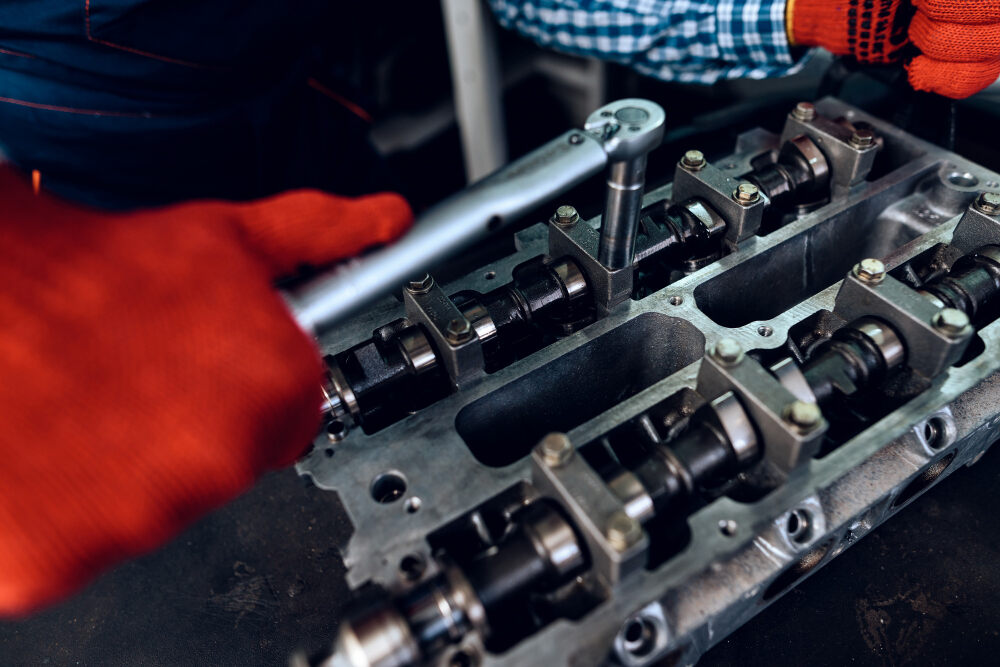
A proper repair may involve seal replacement, inspecting rod condition, checking for scoring, and ensuring components are functioning correctly under pressure.
How Big West Machine Helps Keep Units Service-Ready
Big West Machine & Welding supports transportation and industrial operators who need reliable repairs that hold up under real field conditions. When a hydraulic issue is affecting uptime, the priority is getting equipment back into service with confidence; not guessing at the cause.
Their capabilities align with what trucking and trailer operations actually need, including:
- Hydraulic cylinder service and repairs
- Mobile welding support for field or site-based issues
- Custom fabrication and metalwork for mounts, brackets, and reinforcements
- Machining support when components require precision work
- Additional mechanical repair capability tied to heavy-use equipment systems
Hydraulic leaks often stem from mounting damage or structural stress points; to resolve them, repair and custom metal solutions often offer the most lasting resolutions – this is particularly pertinent to fleet operators that use dump bodies, service units and trailers that experience continuous strain.
Roadside Leak Signs Table
Each item in the table is linked to the most relevant section title above.
| Roadside Leak Sign | Likely Cause | What It Can Lead To |
|---|---|---|
| Fluid running down the cylinder rod | Rod seal wear or contamination | Loss of pressure, unsafe operation, repeat leaks |
| Wet fittings or spray near hose ends | Loose-fitting or hose damage | Sudden failure, downtime, pressure loss |
| Cylinder drifts under load | Internal seal bypass | Unstable lift, inspection risk, unsafe trailer control |
| Slow lift or weak movement | Low fluid, restriction, internal wear | Overheating, component wear, downtime |
| The leak keeps returning after topping up | Damaged rod or misalignment | Cylinder scoring, frequent breakdowns |
Hydraulic leaks on the road don’t just create chaos, they also present uncertainty for transportation teams that use trailers, rig-ups and heavy use hydraulic systems. Transport teams operating these types of systems face real risks when their hydraulic leaks a leak – such as control loss, downtime or repeated failures that disrupt operations.
If the leak from a hydraulic cylinder keeps returning, treating it as a reliable issue and taking appropriate actions with hydraulic cylinder repair in Alberta would be smarter. With proper metalwork support when necessary and with appropriate repair approaches implemented promptly fleets can minimize downtime and maintain service readiness across Alberta’s harsh conditions.